In the One Health concept, human health, animal welfare, and the condition of ecosystems are inextricably linked. Even something as everyday as a duvet or blanket can become an act of holistic care—especially when we choose wool as the filling.
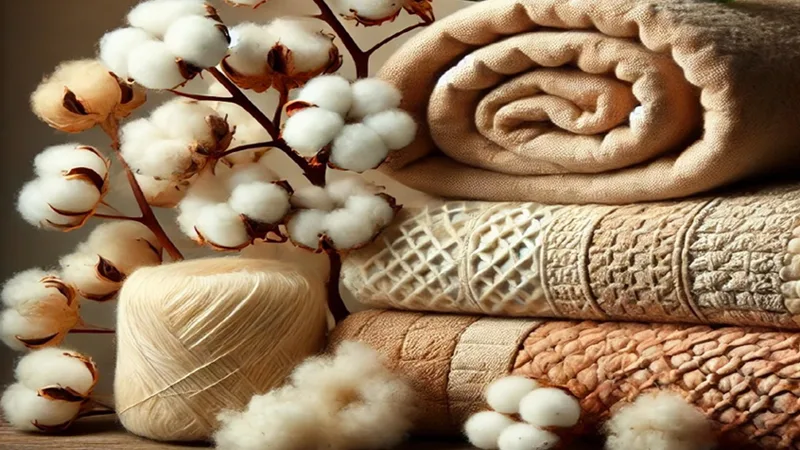
Sleep is the foundation of the body’s regeneration: detoxification, strengthening immunity, and preventing inflammation. As shown by the research of Dr. Eda Acar and Prof. Dr. Zümrüt Bahadır Ünal in the monograph Research on Sleep Support Textile Products, bedroom textiles regulate body temperature, control humidity, and provide a sense of security. Among natural fillings (cotton, kapok, goose down, bamboo, or silk), wool stands out the most—not only in terms of sleep comfort, but also in its sustainable impact on the entire One Health system.
Wool is one of the oldest and most “intelligent” natural fibers. It consists mainly of keratin—a protein containing as many as 20 different amino acids. Thanks to their curly, wavy structure, the fibers perfectly “capture” and retain air, creating a natural insulating layer. One of its greatest advantages is its ability to absorb as much as 30–35% of its weight in moisture, while remaining dry to the touch and releasing excess water vapor to the outside.
In practice, this means ideal thermoregulation at any time of year: on cold nights it retains heat, while in humid or warmer conditions it prevents overheating and the feeling of being “sweaty.” Over time, wool felts slightly, which further reduces thermal conductivity and strengthens insulation without adding weight. In addition, wool absorbs odors, is soft, fire-resistant, and fully biodegradable.
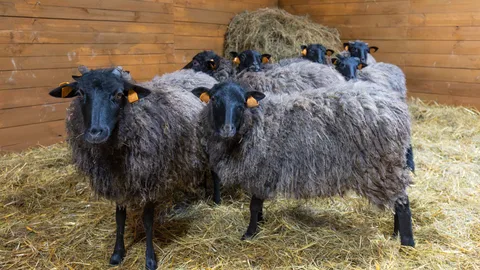
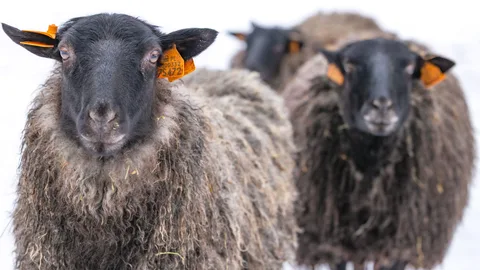
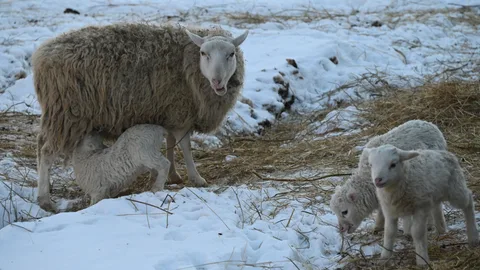
From the One Health perspective, wool is even more significant. It comes from sheep—animals whose welfare (appropriate pastures, ethical shearing, absence of suffering) directly translates into the quality of the fiber. It is 100% renewable, does not generate microplastics (unlike polyester), does not burden the environment with chemicals, and can be recycled many times. Wool production supports sustainable farming, protects the biodiversity of meadows and pastures, and minimizes the carbon footprint compared with synthetic fillings.
The studies cited in the monograph confirm that wool duvets and blankets provide higher thermal insulation and better moisture management than acrylic or cotton-acrylic blends. People sleeping under wool report deeper, more restorative sleep, which translates into better well-being during the day, stronger immunity, and a lower risk of lifestyle diseases.
According to: Acar, E., & Bahadır Ünal, Z. (2024). Research on sleep support textile products. IKSAD Publishing House. https://doi.org/10.5281/zenodo.14582472