
Can spending time outdoors in childhood make us more likely to care for the planet as adults? That is what a fascinating study by researchers from the University of Missouri and the University of Illinois suggests, showing how early experiences with nature shape our ecological habits.
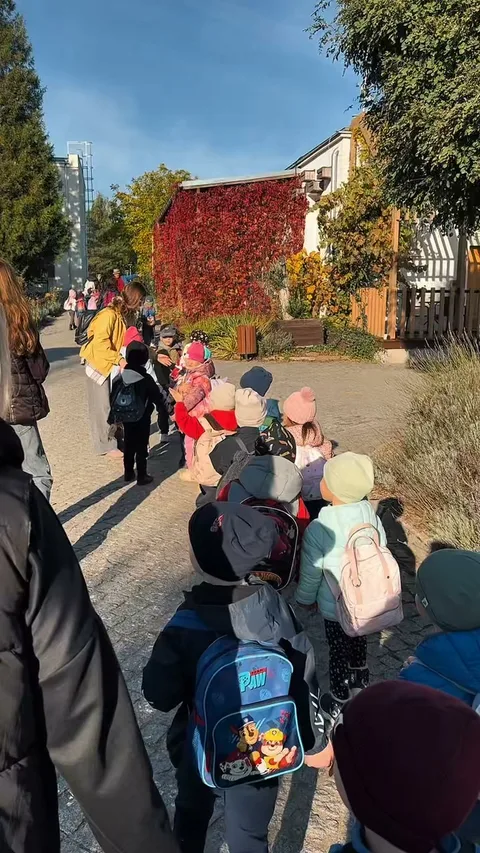
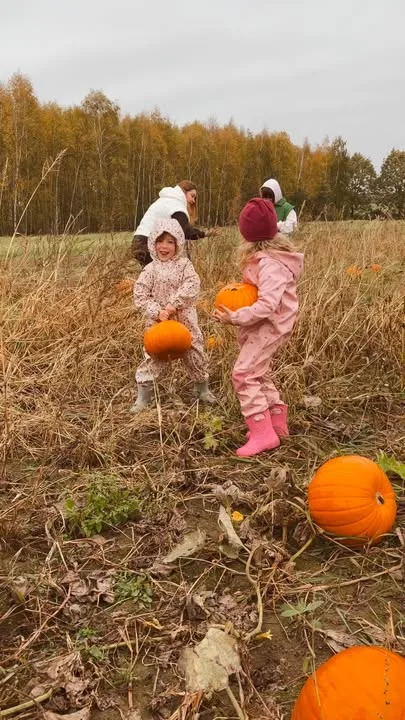
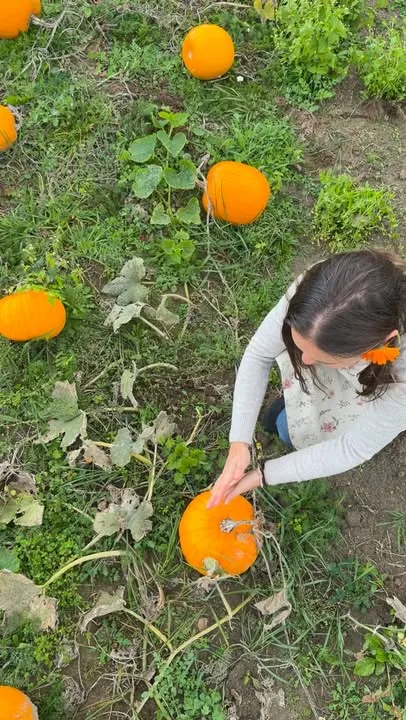
Imagine this: as a child, you run through the forest, camp under the stars, watch birds, or plant flowers in the garden. Or you learn about the environment at school, watch nature programs on TV, or take part in organized trips to the park. According to the study, these two types of experiences—outdoor recreation and environmental education—have a long-term impact on how we treat the planet as adults. The researchers analyzed responses from an online survey of more than 600 adult residents of Illinois in the United States. It turned out that childhood recreation in nature strengthens “connection to nature” (CTN), meaning a sense of unity with the natural world. This, in turn, builds ecological values, such as concern for the environment and for other people (biospheric and altruistic values). Environmental education, on the other hand, directly influences these values, even if it does not always strengthen an emotional connection with nature. And what about behavior? People with strong ecological values say they are more willing to engage in pro-environmental actions: saving energy and water at home (a conservation-oriented lifestyle), talking with others about environmental problems (social activism), or signing petitions and supporting environmental protection policies (a civic stance). The study confirms that these childhood adventures may explain as much as 35–59% of the variance in our adult attitudes!
Why is this important for One Health? One Health emphasizes that the health of people, animals, and the environment is interconnected. Caring for nature—for example, through recycling or forest protection—helps prevent crises such as climate change or biodiversity loss, which affect us all. The study suggests encouraging children to play outdoors and receive nature education—it is an investment in a healthier planet and society.
Source: Shin, S., & van Riper, C. J. (2025). Childhood outdoor recreation and environmental education shape pro-environmental behavior among adults: A study of residents in Illinois, USA. Society & Natural Resources, 38(6), 563–586. https://doi.org/10.1080/08941920.2024.2449048